A VPN encrypts your traffic between your device and the VPN server, which helps protect you on public Wi‑Fi and reduces ISP-level visibility into what you access. A VPN is not “total anonymity”: if you log in to accounts, share personal info, or run insecure apps, a VPN cannot magically remove those identifiers.
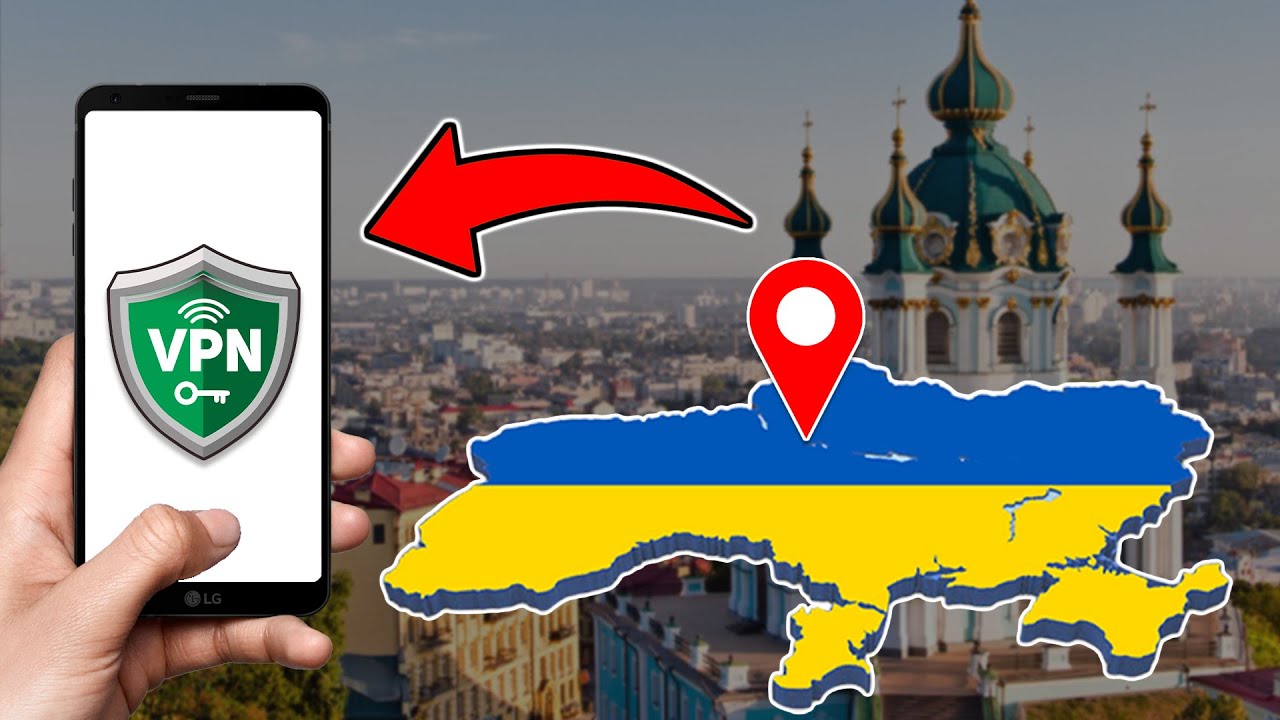
Top VPN picks for Ukraine
Below are the same top services from the earlier structure, expanded with practical and safety-critical details.
1) ExpressVPN (balanced “easy + strong privacy signals”)
- Why it’s a top pick: It’s positioned as a premium, user-friendly VPN with strong transparency messaging and repeated third‑party checks related to logging controls.
- Privacy & audits: ExpressVPN has public statements about external KPMG assessments of its no‑logs/privacy commitments, which is useful because audits are one of the few ways users can evaluate “no‑logs” beyond marketing.
- Practical notes for Ukraine: If you want minimal setup and stable performance across devices, prioritize services that keep apps simple while still offering modern protocols and safety features (kill switch, secure DNS).
2) Proton VPN (privacy-first + recurring audits)
- Why it’s a top pick: Proton VPN explicitly frames no‑logs as an ongoing engineering and verification task and publishes recurring third‑party audit updates.
- Privacy & audits: Proton states it runs annual third‑party no‑logs audits; its 2026 audit report by Securitum describes on-site review of production systems and notes no evidence of activity logging/connection metadata storage that would contradict the no‑logs policy (at the time of audit).
- Practical notes for Ukraine: If you value transparency and documented controls (configuration management, change processes), Proton’s audit documentation provides more concrete signals than typical “trust us” claims.
3) Mullvad (maximum minimalism for personal data)
- Why it’s a top pick: Mullvad is widely known for minimizing account identity requirements and leaning into “privacy by design,” which can reduce personal data exposure.
- Privacy & real-world test: Reporting about a 2023 police search describes Mullvad stating officers left without customer data because it wasn’t stored, which is a meaningful real-world indicator (though not a universal guarantee).
- Practical notes for Ukraine: If your risk model includes “leave as little personal info behind as possible,” prefer providers that don’t require extensive profile data and that have credible evidence of minimal retention.
4) NordVPN (feature-rich + repeated independent assurance)
- Why it’s a top pick: NordVPN offers many consumer features and publishes information about repeated independent assurance engagements verifying its no‑logs statement.
- Privacy & audits: NordVPN describes Deloitte assurance work that included employee interviews and examination of server infrastructure, configuration, and technical logs, including privacy-relevant settings on server categories like obfuscated and multi-hop options.
- Practical notes for Ukraine: If you need “modes” for different tasks (general browsing, P2P, obfuscated/anti-blocking), a larger feature set can help—just ensure you actually enable the safety features in-app.
5) Surfshark (value + Deloitte assurance)
- Why it’s a top pick: Surfshark aims at price-to-features value while still pointing to independent assurance about no‑logs implementation.
- Privacy & audits: Surfshark states Deloitte performed assurance procedures and found the configuration and operations aligned with Surfshark’s described no‑logs policy (as summarized by Surfshark).
- Practical notes for Ukraine: Value VPNs can be good daily drivers, but you should double-check defaults (kill switch on, safest protocol chosen, leak protections enabled) rather than assuming it’s configured securely out of the box.
VPN Comparison Table: Privacy (Audits), Anti‑Blocking Readiness, and Safety Features (2026)
| VPN | Best for | “No-logs” verification (examples) | Censorship / anti-blocking readiness | Safety features to require | Good to know (limits) |
|---|---|---|---|---|---|
| ExpressVPN | Simple daily use + strong privacy signals | KPMG provided “reasonable assurance” that ExpressVPN’s TrustedServer controls do not collect logs of users’ activity (including browsing history, traffic destination, DNS queries, etc.) in the audited scope/timeframe. | Look for stealth/obfuscation-type options and the ability to switch connection methods quickly when networks disrupt VPN traffic. | Kill switch + DNS leak protection; keep apps updated and test leaks after updates. | Audit assurance is time-scoped (“as of” date / Type 1), not a lifetime guarantee. |
| Proton VPN | Privacy-focused users who value transparency | Proton states it runs annual third-party no-logs audits; Securitum’s August 2025 audit is described as confirming Proton’s no-logging claims after infrastructure and server-side review. | Useful when you want strong documentation and the ability to change settings if one route is blocked. | Use kill switch; check for DNS leak protection and periodic leak testing. | “No-logs” doesn’t prevent website/app tracking or account-based identification. |
| Mullvad | Minimal personal data exposure | Reporting on a 2023 police search says Mullvad stated it had no customer data to provide because it doesn’t keep it (a real-world signal for low retention). | Often chosen for privacy-first posture; effectiveness still depends on current blocking tactics and available connection modes. | Kill switch + leak protection; keep device OS secure. | Minimal-data accounts help, but identity can still leak via payment trails, email, or logged-in services. |
| NordVPN | Feature-rich use cases (different modes) | NordVPN says Deloitte Audit Lithuania verified its no-logs statement again in an assurance report covering IT systems configuration/supporting infrastructure and no-logs claims. | NordVPN’s documentation references server categories such as obfuscated options that can help on restrictive networks. | Enable kill switch and pick the safest protocol; don’t rely on defaults without checking. | Assurance reports are “snapshots”; features only help if configured correctly. |
| Surfshark | Value + broad features | Surfshark states Deloitte verified its no-logs policy (published as an assurance report summary). | Similar best practice: prefer providers that offer multiple connection modes and quick switching when blocks occur. | Kill switch + DNS leak protection; update apps and review settings after updates. | A VPN is one layer—device compromise and tracking still bypass it. |
How to choose the best VPN for Ukraine (technical checklist)
- Verified privacy: Prefer providers with recent independent audits of “no‑logs” implementation, not just a privacy policy claim.
- Anti-blocking readiness: Services that explicitly evaluate/operate obfuscated servers (or comparable stealth methods) can be more resilient if certain VPN traffic patterns get throttled or blocked.
- Kill switch and leak protection: Choose a VPN with a kill switch and DNS leak protection; a kill switch helps prevent accidental exposure if the VPN disconnects.
- Multi-device coverage: Ensure it supports the platforms you actually use (Android/iOS/Windows/macOS/router) and that the UI makes it easy to confirm “protected” status.
- Support and recovery: In higher-friction environments, responsive support and clear troubleshooting steps (protocol switching, alternate endpoints) matter more than lab speed tests.
Rules of use (practical “do this / don’t do this”)
Do: Turn on the kill switch before connecting on public Wi‑Fi or when handling sensitive tasks; test it once by forcing a disconnect and confirming apps can’t reach the internet.
Do: Keep your VPN app updated, because security fixes and reliability improvements are commonly delivered through updates.
Do: Use a strong, unique password for your VPN account and enable 2FA if your provider supports it, because account takeover defeats most privacy benefits.
Don’t: Assume a VPN makes you anonymous to websites or services you log into; it mainly changes what local networks/ISPs can see and reduces passive network surveillance.
Don’t: Break a site’s terms of service or local laws “because you have a VPN”; VPNs are security tools, not legal shields.
Technical limitations (what a VPN cannot fix)
- Endpoint visibility: The VPN provider can’t prevent tracking that happens inside apps/websites (account logins, fingerprinting, trackers), so consider browser privacy settings and anti-tracking tools as separate layers.
- Device compromise: If your phone/PC is infected (malware, spyware), a VPN does not stop data theft occurring on the device itself.
- Performance trade-offs: Encryption and routing through a remote server can reduce speed and add latency, so choose nearby server locations when possible and switch protocols if needed.
Legal limitations (how to think about “legal + jurisdiction”)
Jurisdiction matters: Where the company is based and how it responds to lawful requests affects risk, but audits and documented controls can be more predictive than marketing about “privacy-friendly countries.”
“No-logs” is conditional: Even audited no‑logs typically means “as configured at the time of audit” and within the defined scope; it does not mean “impossible to ever produce any information.”
Transparency signals: Providers that publish assurance summaries, explain scope, and make reports accessible (at least to customers) give users more evidence to evaluate trust.
User data safety (how to protect your data end-to-end)
Choose audited providers: Securitum’s Proton VPN report describes checks intended to confirm no activity logging/connection metadata storage and emphasizes controls designed to keep the environment “no‑logs” over time.
Prefer minimal data collection: The less account data a provider requires, the smaller your exposure in case of breach or compelled disclosure (balanced against usability and recovery needs).
Use defense in depth: Combine VPN + OS updates + full-disk encryption + safe browsing habits; VPN is one layer, not the entire security model.
Secure Browsing You Can Count On
Discover our top certifications and security standards that guarantee your online safety and privacy.

Certified No-Logs Policy
We strictly do not keep any user activity logs, ensuring your browsing remains private and anonymous.

AES-256 Encryption Standard
Our VPN uses military-grade AES-256 encryption to protect your data from unauthorized access.

Independent Security Audits
Regular third-party audits confirm our commitment to maintaining top-tier security and reliability.