This article is for people in Kazakhstan (or traveling there) who want safer browsing on public Wi‑Fi, more privacy from ISP-level tracking, and more stable access to global services when networks are filtered or throttled.
It also helps users abroad who need a Kazakhstan IP address for local services (banks, media, and other geo-limited platforms), while keeping traffic encrypted.
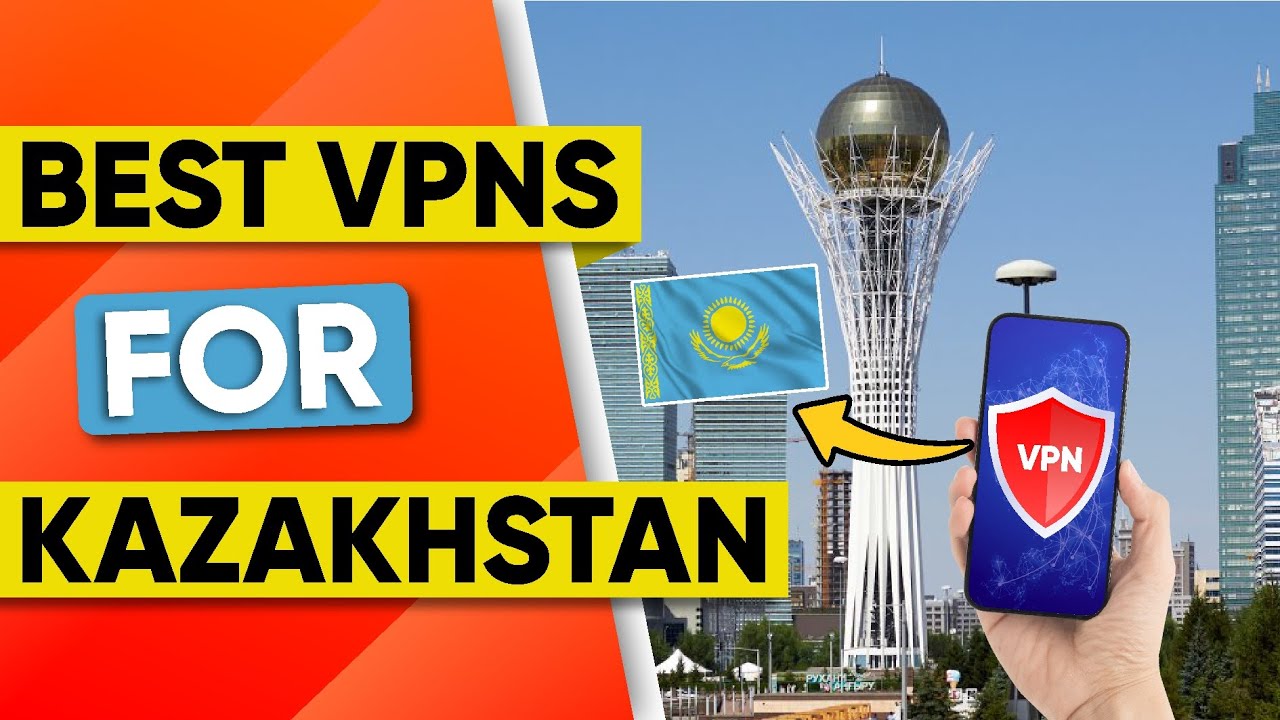
Legal rules and limits (Kazakhstan)
VPN use is commonly described as generally legal in Kazakhstan, but VPN services can be blocked and the regulatory environment can be strict, so access and availability may vary over time.
Even where VPNs are legal, using a VPN does not legalize activities that are illegal under local law, and site/service terms (banks, streaming, workplaces) can still restrict VPN use.
Practical rule: treat a VPN as a privacy and security tool, not a “permission slip,” and keep up with local policy updates because enforcement and blocking can change.
What a VPN can and cannot protect
A VPN encrypts traffic between your device and the VPN server, which helps protect you on public Wi‑Fi and can reduce local network monitoring of your browsing content.
A VPN does not make you “anonymous” if you log into personal accounts (Google/Apple/social apps) or if the VPN leaks IP/DNS/WebRTC information through misconfiguration.
A VPN also cannot fully prevent tracking done by cookies, browser fingerprinting, or the services you sign into—so privacy needs both VPN + good browser/account hygiene.
The 8 VPNs to consider (what to verify)
These providers are often shortlisted globally; for Kazakhstan specifically, the “best” choice depends on whether they work reliably on your ISP and whether they offer stealth/obfuscation options when blocking occurs.
Before subscribing, verify each one has: modern protocols (WireGuard/OpenVPN/IKEv2), a kill switch, DNS leak protection, and clear privacy/audit documentation.
- NordVPN: Prefer modern protocols and obfuscation options when networks block VPN traffic.
- ExpressVPN: Focus on stable apps and router support if you need whole‑home coverage.
- Surfshark: Check multi-device policy and performance consistency at peak hours.
- Proton VPN: Look for transparency reporting and privacy posture if that’s your priority.
- CyberGhost: Useful for beginners; validate that “optimized” profiles work from Kazakhstan.
- Private Internet Access (PIA): Good for advanced settings; ensure leak protection is enabled.
- IPVanish: Check feature set (kill switch, DNS protection) and your privacy expectations.
- Mullvad: Strong privacy approach; confirm it meets your usability and site-access needs.
VPN comparison table (Kazakhstan)
Use this table to quickly compare the 8 VPNs by the features that matter most in Kazakhstan—protocols, kill switch, leak protection, split tunneling, and audit/transparency signals. Treat it as a shortlist: real performance and accessibility can vary by ISP and device, so always test on your own network before committing.
| VPN | Best for | Protocols to look for | Kill switch | Leak protection focus | Split tunneling | Audits / transparency (what to check) |
|---|---|---|---|---|---|---|
| NordVPN | High feature set + obfuscation use cases | WireGuard-based + OpenVPN | Yes (enable it) | DNS/IP leak tests + reboot/drop scenarios | Yes | Independently audited no‑logs claims (review audit scope/recency) |
| ExpressVPN | Reliability + strong audit story | Lightway + OpenVPN | Yes (“Network Lock”) | Prevent IP + DNS leaks during drops | Limited/varies by platform (confirm per OS) | KPMG no‑logs/TrustedServer assurance; review audit date and scope |
| Surfshark | Value + multi-device households | WireGuard + OpenVPN + IKEv2 | Yes | IP/DNS/WebRTC testing guidance; IPv6 leak checks | Yes (confirm per OS) | Verify independent audit and privacy documentation (and app settings) |
| Proton VPN | Privacy-first positioning | WireGuard + OpenVPN | Yes (in apps where available; confirm OS) | DNS leak protection + secure configuration | Limited/varies by OS (confirm) | Check transparency reporting and security posture claims |
| CyberGhost | Beginners + “profiles” | WireGuard + OpenVPN | Yes (confirm per OS) | DNS leak protection + app toggles | Yes/varies by OS (confirm) | Check published transparency/audits and policy clarity |
| Private Internet Access (PIA) | Power users + granular controls | WireGuard + OpenVPN | Yes (confirm per OS) | DNS/IP leak prevention via settings | Yes (confirm per OS) | Check published court/audit history and current transparency materials |
| IPVanish | Simple everyday use | WireGuard + OpenVPN + IKEv2 | Yes (confirm per OS) | DNS leak protection + stable routing | Limited/varies (confirm) | Confirm current privacy policy + any recent verification/audits |
| Mullvad | Minimal personal data + privacy | WireGuard + OpenVPN | Yes (confirm per OS) | Strong leak prevention if configured correctly | Limited/varies (confirm) | Check transparency, minimal-data account model, and policy details |
Technical setup (secure-by-default)
Choose the right protocol: WireGuard is typically the fastest; OpenVPN is widely compatible; IKEv2 is often stable on mobile and handles network switching well.
Turn on the kill switch so the internet cuts off if the VPN drops (this prevents accidental exposure of your real IP).
Enable DNS leak protection (or use the provider’s secure DNS) because DNS leaks can reveal which sites you visit even if content is encrypted.
Leak prevention and verification (do this every time you change settings)
WebRTC in browsers can expose your real IP address even when the VPN is on, so WebRTC leak testing and prevention matters for privacy-focused users.
Run a leak check after connecting and after changing servers/protocols: verify public IP, DNS servers, and WebRTC results show only VPN information.
If anything leaks, first enable built‑in leak protection and kill switch, then try a different protocol/server or disable WebRTC in the browser.
Usage rules (practical “do and don’t”)
Do: use VPN on public Wi‑Fi (cafes, hotels, airports) to reduce interception risk and improve session safety.
Do: keep the VPN app updated and use official app stores or vendor sites to reduce malware risk.
Don’t: rely on “free unlimited VPNs” for sensitive use; many free services monetize traffic or have weak security controls, making them risky for personal data.
Technical and service limitations (what can break)
Some Kazakhstan ISPs or networks may block or throttle VPN traffic, so a provider with obfuscation/stealth modes can be important in restrictive conditions.
Streaming access is not guaranteed because platforms frequently block known VPN IP ranges, and success can change week to week.
Shared VPN IPs can trigger CAPTCHAs and extra verification on websites; switching servers or using split tunneling can reduce friction.
Data safety and personal privacy (how to minimize exposure)
Provider logging matters: your VPN can be more easily tracked if the provider keeps logs, or if you have DNS/IP/WebRTC leaks.
Prefer services that publish audits, transparency reporting, and clear privacy policies so users can evaluate what data is collected (diagnostics, account email, payment info).
Use strong account security: unique passwords + 2FA, because a VPN does not protect against account takeover or phishing
Secure Browsing You Can Count On
Discover our top certifications and security standards that guarantee your online safety and privacy.

Certified No-Logs Policy
We strictly do not keep any user activity logs, ensuring your browsing remains private and anonymous.

AES-256 Encryption Standard
Our VPN uses military-grade AES-256 encryption to protect your data from unauthorized access.

Independent Security Audits
Regular third-party audits confirm our commitment to maintaining top-tier security and reliability.