
This article is for users who want smoother YouTube playback, better privacy, and safer viewing on mobile/desktop/TV devices.
It also covers rule-compliance, legal constraints, and personal safety practices—especially relevant if you’re accessing YouTube from Russia.
TOP-10 VPNs for YouTube (2026)
Below is a practical “site-ready” list; the exact best choice depends on your device (Smart TV vs phone), your region, and whether you value speed or privacy more.
- NordVPN — Often recommended for streaming performance and broad location coverage; includes SmartPlay (Smart DNS approach) helpful for devices that don’t support VPN apps well.
- Surfshark — Common “value pick” in best‑for‑YouTube roundups; suitable when you want a cheaper plan without dropping modern features.
- ExpressVPN — Known for strong infrastructure practices like RAM‑only TrustedServer, where data is wiped on reboot, plus a focus on audited components (e.g., Lightway).
- Proton VPN — Privacy-oriented provider with repeated independent no‑logs audit reporting (publicly discussed in 2026 coverage).
- CyberGhost — Frequently listed for YouTube use; typically positioned as simple for beginners with a large network.
- Private Internet Access (PIA) — Often included in YouTube VPN lists; tends to appeal to users who want more configuration options.
- IPVanish — Commonly recommended in YouTube TV–focused VPN roundups as a general-purpose streaming VPN.
- Hotspot Shield — Often mentioned as an accessible option for YouTube TV scenarios (free tiers usually include limits).
- Astrill VPN — Appears in some streaming lists with emphasis on connectivity in more restrictive environments.
- Editorial slot (test-based) — If you publish commercially, reserve one position for a provider you personally test in your target region (speed + leaks + YouTube playback), because “best” claims should be evidence-based.
VPN Comparison Table (YouTube Focus)
Use the table below to quickly compare the most popular VPN options for YouTube by practical factors like streaming reliability, privacy posture, device support, and common limitations. Keep in mind that speeds and access can vary by country, and using a VPN to bypass geo-restrictions may violate platform rules—so choose based on both performance and compliance risk.
| VPN | Best for (YouTube use case) | Streaming focus | Privacy / audits (high level) | Device / TV options | Notes & limitations |
|---|---|---|---|---|---|
| NordVPN | Overall best pick in major YouTube/YouTube TV roundups | Strong (TechRadar #1 for YouTube; Security.org #1 for YouTube TV) | Public “no-logs” audit discussions exist (e.g., Deloitte audits reported in media; provider also publishes audit-related posts) | SmartPlay (Smart DNS-style) helps on devices that don’t support VPN apps well | Bypassing geo-restrictions may violate YouTube ToS; always consider local law (esp. Russia) |
| Surfshark | Value/budget alternative; good for Smart TVs in YouTube TV testing | Strong (TechRadar #2 for YouTube; Security.org “best for Smart TVs”) | Commonly positioned as privacy-focused in reviews; verify current audit/logging claims before publishing “no-logs” absolutes | Smart TV-friendly positioning in YouTube TV roundup | Same ToS and legal caveats as any VPN for geo-bypass |
| ExpressVPN | Privacy positioning; premium stability | Strong (listed among top YouTube TV picks) | TrustedServer (RAM-only) described by ExpressVPN as wiping data on reboot; Lightway open-sourced and audited | Broad device support (often used on routers/TV setups, depending on plan) | Premium pricing is a common tradeoff in mainstream comparisons |
| Proton VPN | Windows-friendly + privacy-centric pick | Strong (top YouTube TV list) | Independent auditors reported Proton VPN “never logs your data” / no-logs audits (2025 coverage) | Good app ecosystem; confirm Smart TV path (router/Smart DNS) per provider’s current docs | Free plans usually have limits; for streaming, paid tier is typically required |
| IPVanish | Families / multiple devices; solid speeds for live streams | Strong (YouTube TV lists) | Comparitech notes “proven no-logs policy” and describes security features like kill switch and leak protection | Works across common platforms; check Smart TV method (app/router) | Server choice can affect speed; switching servers is a typical fix |
| CyberGhost | Beginner-friendly; Mac-focused in YouTube TV roundup | Strong (YouTube TV lists) | Often marketed with privacy features; verify latest independent audit statements if you claim “audited no-logs” | Streaming-optimized approach is emphasized in some guides | Performance can vary by region and server load |
| Hotspot Shield | “Free VPN” option for YouTube TV (with caveats) | Moderate/conditional (often recommended paid for serious use) | Security bundle notes appear in Security.org write-up (paid plan adds extras) | Easy mobile apps per Security.org; coverage in multiple US cities | Free tiers typically mean limits; for reliable streaming they recommend paid |
| Astrill VPN | Stealth / restrictive-network scenarios | Niche but included in YouTube TV list | Noted as “stealth” option in Security.org roundup (audit/logging claims should be verified before stating) | Device support varies; check official docs for TV/router options | Often chosen for censorship resistance rather than lowest cost |
| PIA (Private Internet Access) | Configurability; commonly appears in YouTube VPN lists | Listed for YouTube use | Frequently described as privacy-focused in mainstream coverage; verify latest audits if you mention them | Good cross-platform support; router setups common | Can require tuning (protocol/server choice) for best streaming |
| “Editorial test slot” (your choice) | Best for your specific region (e.g., Russia) after local testing | Depends on your tests (buffering, 4K stability, blocked protocols) | Only claim what you can document (audits, policies, transparency reports) | Validate Smart TV path (Smart DNS/router/app) | In Russia, VPN availability may change because regulators report blocking many VPN services |
Rules of use (platform + common sense)
YouTube geo-restrictions are typically based on your IP location, and VPN/proxy tools can change what location YouTube sees.
However, multiple sources explicitly warn that using a VPN/proxy to bypass YouTube geo-restrictions is against YouTube’s Terms of Service and could lead to account consequences (such as suspension).
Treat a VPN as a privacy and network-safety tool first (public Wi‑Fi protection, ISP throttling reduction, safer browsing), not as a guarantee for bypassing restrictions.
Technical limitations (what can break and why)
A VPN adds encryption and routing overhead, so speed and latency can change; this is why “fast VPN + nearby server” is usually the best default for stable 1080p/4K playback.
If your ISP or regulator blocks VPN protocols, you may see connection failures even with a paid VPN; Russian regulators have reported expanding blocks across VPN-related protocols and methods.
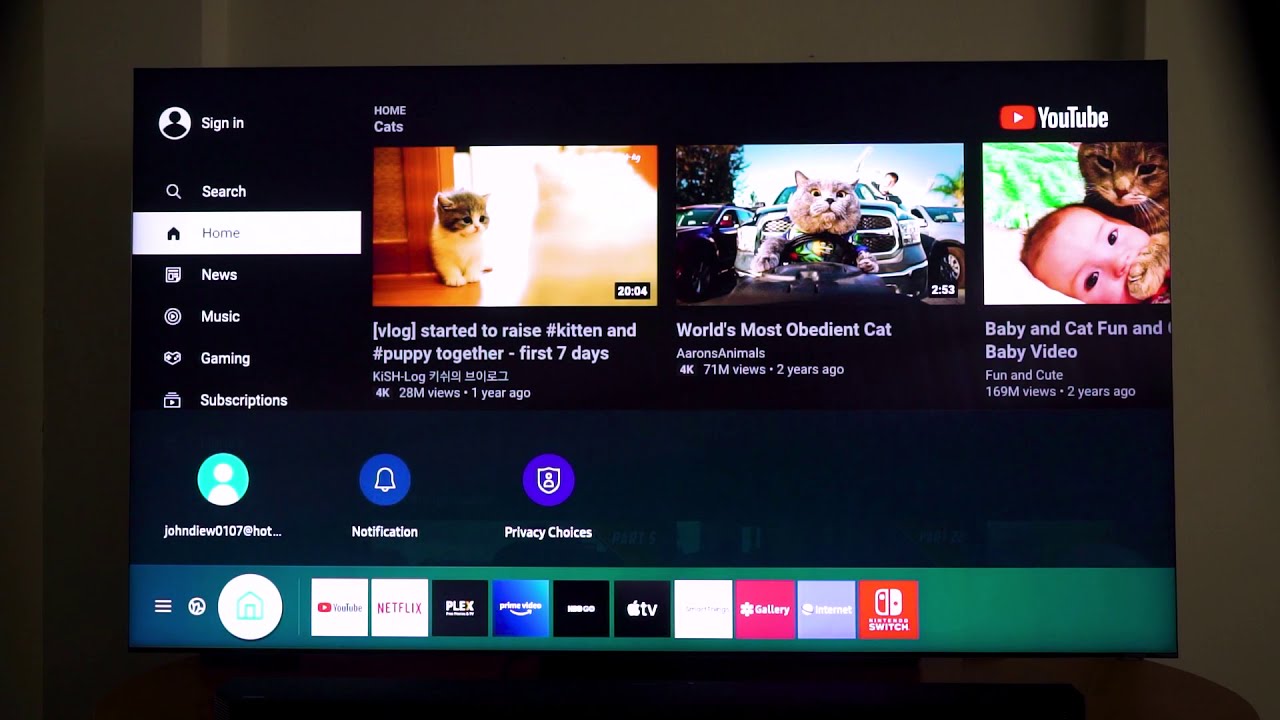
Smart TVs and streaming sticks may not support VPN apps natively, so you may need Smart DNS, router-level VPN, or device sharing/hotspot approaches depending on the provider.
Legal constraints (Russia-specific and general)
In Russia, regulators have publicly reported restricting access to hundreds of VPN services and described requirements for VPNs (e.g., filtering access to prohibited sites) and enforcement actions.
Reporting on Russia’s internet restrictions also notes pressure on VPN providers to comply with registries/filters and mentions fines targeting providers and compliance requirements.
Because enforcement and risk can vary by time, region, and your specific use case, treat this article as general information and consider local legal advice if your use carries real risk.
Data security and privacy (how to use a VPN safely)
Choose providers with credible transparency signals—especially third‑party audits of no‑logs claims (for example, Proton VPN audit reporting has been covered publicly) and public audit discussions by providers like NordVPN.
Prefer modern infrastructure patterns that reduce data persistence risk (for example, ExpressVPN describes TrustedServer as RAM‑only, wiping data on reboot).
Avoid random “free VPN” apps: some services can monetize by tracking, injecting ads, or selling data, and YouTube geo‑restriction explainers explicitly warn that unreliable VPNs/proxies may be unsafe.
How to choose the right VPN for YouTube (buyer checklist)
1) Streaming performance
- Real speed under load (not just “up to” numbers); streaming guides emphasize choosing fast services and testing multiple nearby servers.
- Stable playback without buffering (look for providers frequently recommended specifically for YouTube/YouTube TV).
- Smart DNS / TV support when you need YouTube on devices that can’t run VPN apps.
2) Privacy and logging policy
- Look for independent audits and transparency reports; multiple providers publicly highlight audits of their no‑logs claims.
- Prefer strong encryption and leak protection; if your IP leaks, geo-restrictions and privacy goals can fail.
3) Censorship resistance (if relevant)
- Obfuscation/stealth features can help where networks block VPN fingerprints, and reporting notes traffic “fingerprinting”/protocol blocks as part of restriction methods.
- Have a fallback plan: alternate protocols, alternate server locations, and (where supported) Smart DNS.
How to use a VPN with YouTube (step-by-step)
Desktop (Windows/macOS)
- Install the VPN app and sign in with your subscription.
- Connect to a nearby server first for speed; only change countries if you have a legitimate need and accept ToS risk.
- Open YouTube and test playback at 1080p/4K; if buffering occurs, switch to another nearby server.
Mobile (Android/iOS)
- Install the official app from the store and avoid third‑party APKs.
- Enable kill switch (if available) and block leaks; this helps prevent accidental exposure if the VPN drops.
- On mobile networks, test multiple protocols/servers because throttling and filtering can vary by carrier.
Smart TV / Streaming devices
- If your TV can’t install a VPN, use Smart DNS (if your provider offers it) or configure VPN at the router level.
- Verify DNS/IP after setup and re-test after router reboots, because misconfiguration is a common cause of “still blocked” issues.
FAQ (site-ready)
Is it allowed to use a VPN for YouTube?
A VPN is a general privacy tool, but bypassing YouTube geo-restrictions with VPN/proxy tools is commonly described as against YouTube’s Terms of Service and may risk account penalties.
Can a VPN make YouTube faster?
Sometimes it can help if your ISP is throttling certain traffic routes, but it can also slow things down due to encryption and distance, so testing nearby servers is key.
Is VPN use legal in Russia?
Russia’s environment is restrictive: regulators report blocking hundreds of VPN services and describe compliance requirements for VPN providers, so legal and practical risk is higher than in many regions.
How do I reduce personal risk?
Use reputable providers with audits/transparency, enable leak protection/kill switch, and don’t rely on “free VPN” apps that may monetize your data.
Secure Browsing You Can Count On
Discover our top certifications and security standards that guarantee your online safety and privacy.

Certified No-Logs Policy
We strictly do not keep any user activity logs, ensuring your browsing remains private and anonymous.

AES-256 Encryption Standard
Our VPN uses military-grade AES-256 encryption to protect your data from unauthorized access.

Independent Security Audits
Regular third-party audits confirm our commitment to maintaining top-tier security and reliability.