A reliable VPN can help you reach ChatGPT from restrictive networks, but it doesn’t guarantee access, and it doesn’t make what you type into ChatGPT “anonymous.” OpenAI has restricted ChatGPT access in Russia (and some other regions), so you must also consider rules, legal limits, and personal data safety—not only speed.
Best VPNs for ChatGPT in 2026
Below are five services that stand out in 2026 for a mix of stability, modern protocols, and verifiable privacy practices (audits, documented logging policies).
1) Mullvad (privacy-first)
Mullvad is designed to minimize the personal information you must provide: it uses a numbered account system and explains its “no-logging of user activity” position in a very specific, technical way.
For ChatGPT usage, this matters because VPN providers can still become a privacy bottleneck if they collect identifying account metadata, even if they don’t log browsing content.
If your priority is reducing personal footprint (especially when registering), Mullvad is typically one of the strongest options.
2) Proton VPN (audited + transparency)
Proton VPN emphasizes recurring third‑party no‑logs audits and documents the audit program publicly, which is useful if you want more than marketing promises.
It also positions itself around privacy and legal clarity (including Switzerland-related messaging) while still acknowledging that “no-logs” is best supported by independent verification.
For ChatGPT, Proton VPN is often chosen as a “balanced” option: privacy posture plus mainstream usability across devices.
3) NordVPN (obfuscation for blocked networks)
NordVPN’s obfuscated servers are specifically meant to bypass VPN-blocking firewalls by making VPN traffic look like regular traffic (removing VPN-identifying metadata).
This is relevant in places where standard VPN connections get throttled or blocked, which can be the real barrier to using ChatGPT reliably.
NordVPN also publicizes its no-logs assurance work (e.g., a fifth assurance engagement by Deloitte), which helps if you value repeat verification.
4) Surfshark (feature-rich + practical safety tools)
Surfshark highlights user safety features like a kill switch (cuts internet if the VPN drops) and also emphasizes third‑party verification of its no‑logs policy by Deloitte.
For ChatGPT sessions, a kill switch matters because accidental disconnects can expose your real IP mid-session (especially on unstable Wi‑Fi).
Surfshark is often picked for convenience and breadth of features, but you should still configure it correctly (kill switch on, correct protocol, leak protection) to get real benefit.
5) IVPN (security-oriented, audit-backed)
IVPN published results of an independent audit (Cure53) that verified its no‑logging claims within the defined scope.
An audit doesn’t guarantee “perfect privacy forever,” but it’s stronger than an unaudited claim because it ties statements to an external assessment.
For ChatGPT, IVPN is a solid choice if you prefer a smaller, security-focused provider and you value clear privacy statements over “growth” marketing.
VPN comparison table (for ChatGPT use in 2026)
| VPN | Privacy / logging stance | Independent audit / verification | Strongest “blocked networks” feature | User-data safety features | Signup & personal data | Best for |
|---|---|---|---|---|---|---|
| Mullvad | States it keeps no activity logs and explicitly lists what it does not log (no traffic, no DNS requests, no connection timestamps, no IP addresses). | Policy is documented in-depth; the page focuses on internal policy and data handling rather than a recurring annual audit program. | Not “marketing-first” obfuscation; strength is privacy-by-design and minimal data exposure. | Emphasis on minimizing stored data; explains handling of support emails and limited web log retention. | Numbered accounts (no email/username/password required); payment method can reduce anonymity (processors keep records). | Maximum privacy footprint reduction and clear data-handling detail. |
| Proton VPN | Describes annual third‑party audits confirming a strict no‑logs policy and explains why server-side verification matters. | Passed a fourth consecutive annual third‑party audit (latest referenced in the article is 2025, by Securitum). | Not specifically positioned around obfuscation in the cited source; more about audited privacy + transparency. | Notes open-source apps, third‑party security audits, and infrastructure review to prevent accidental logging. | Standard account model (not “numbered accounts” in the cited source); focuses on transparency and audits. | A balanced choice: audited “no-logs” posture with mainstream usability. |
| NordVPN | Promotes repeat no‑logs assurance engagements (details in its audit post). | Says a fifth assurance engagement by Deloitte verified its no‑logs claims (as described in its post). | Obfuscated servers designed to make VPN traffic harder to identify and block. | Depends on app settings; obfuscation helps connectivity in restrictive networks. | Typical email-based account model; choose strong password + 2FA where available (general best practice). | Users who need higher success rates on networks that block VPNs. |
| Surfshark | Highlights a “no‑logs” policy and third‑party verification. | States its no‑logs policy was verified again by Deloitte (as described by Surfshark). | Not positioned primarily around obfuscation in the cited sources; more about broad feature set. | Kill switch feature to prevent IP leaks if the VPN disconnects. | Standard account model; configure safety options to avoid accidental exposure. | Convenience + safety features (kill switch) with audit-backed messaging. |
| IVPN | States its no‑logging claim was verified by an independent audit (scope defined in its post). | Independent audit by Cure53 is referenced by IVPN. | Not primarily positioned around obfuscation in the cited source; focuses on privacy/security clarity. | Security-first positioning; audit adds confidence versus unaudited claims. | Standard account model (not detailed in the cited source). | People who want an audit-backed, security-oriented provider without “extra” marketing. |
Rules of use (practical)
OpenAI has restricted access in Russia and some other regions, so using a VPN may be necessary for connectivity but still may not be consistent with availability rules or service limitations.
A VPN can help with network-level access and IP-based restrictions, but it cannot guarantee that ChatGPT will work if OpenAI enforces region checks, account checks, or payment/billing checks.
Treat VPN usage as a networking tool: it changes how you connect, not what the service is allowed to provide to your account.
Technical limitations (what a VPN can’t fix)
Obfuscation can help you connect when VPN traffic is being identified and blocked, but it can add overhead and sometimes reduce speed or stability depending on the network.
Kill switch protection prevents accidental IP exposure if the tunnel drops, but it can also interrupt your session and make sites/apps appear “offline” until the VPN reconnects.
Even with a VPN, you can still be fingerprinted by browser/device signals (cookies, browser configuration), so use a clean browser profile for ChatGPT when privacy matters.
Legal & policy restrictions (what to consider)
OpenAI restrictions reported for Russia mean access depends on OpenAI’s policies and enforcement, not only on whether you can technically reach the website.
VPN providers’ “no-logs” language varies, so prefer services that publish detailed logging policies and/or independent audits to reduce ambiguity about what data may exist.
Local laws and enforcement around VPNs can change, so avoid assuming that a setup that works today will be risk-free tomorrow.
User data safety (your biggest risk)
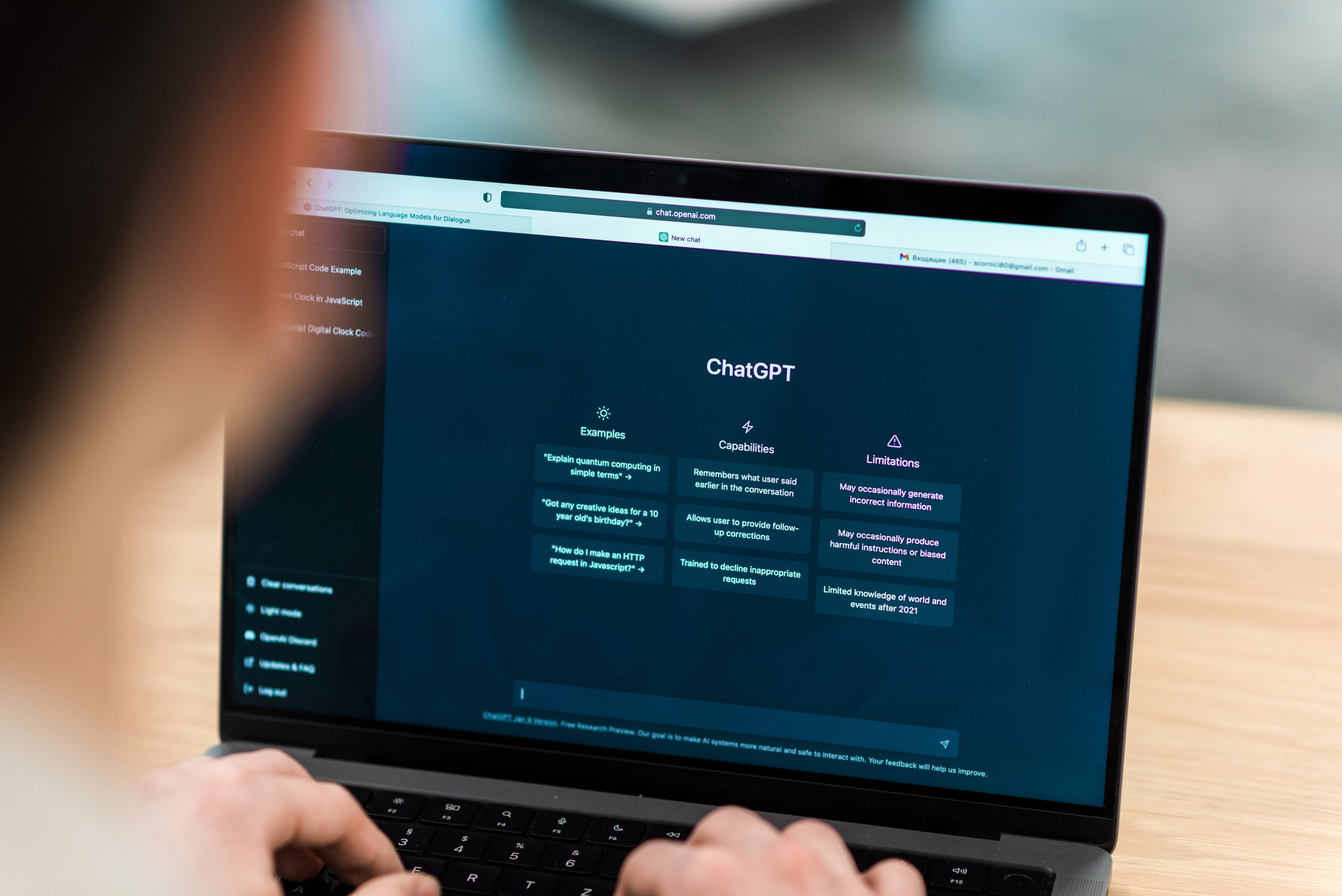
A VPN mainly protects your connection metadata (like your IP address from the destination and local network observers), but it does not prevent ChatGPT from receiving the text you submit.
Do not paste passwords, private keys, confidential client data, or internal documents into ChatGPT unless you explicitly accept the data handling implications for your use case.
If your threat model is serious (work, activism, sensitive topics), prioritize: audited/no‑logs provider + kill switch + minimal-account-data signup, and separate “identity” (email/phone) from your browsing environment where possible.
Secure Browsing You Can Count On
Discover our top certifications and security standards that guarantee your online safety and privacy.

Certified No-Logs Policy
We strictly do not keep any user activity logs, ensuring your browsing remains private and anonymous.

AES-256 Encryption Standard
Our VPN uses military-grade AES-256 encryption to protect your data from unauthorized access.

Independent Security Audits
Regular third-party audits confirm our commitment to maintaining top-tier security and reliability.