
Below is a practical TOP-10 list you can use as the core of your page; the first four are described in more technical detail in a Russia-focused WhatsApp testing write-up.
- ZoogVPN
- BlancVPN
- AdGuard VPN
- Trust.Zone
- Amnezia VPN (self-host / “your server” approach)
- Proton VPN
- Planet VPN (often used for quick tests; free option exists)
- Lantern
- Sigma VPN
- ExpressVPN
Important: “Best” depends on your scenario (calls quality, privacy level, ease of setup, and how aggressive blocking is on your ISP).
How WhatsApp gets blocked (and why calls fail first)
In restrictive environments, blocking can happen on multiple layers: simple DNS filtering, IP blocking of Meta/Facebook ranges, DPI that detects traffic patterns, and even targeted disruption of protocols used for real-time calling (STUN/TURN and UDP paths).
Because WhatsApp voice/video is real-time and often UDP-based, it is more sensitive to throttling, packet loss, or UDP restrictions than text messaging—so calls are usually the first feature to degrade.
Selection criteria (technical checklist)
Use these criteria in your article so readers understand what to look for:
- Protocol support: prioritize WireGuard for performance; keep OpenVPN/IKEv2 as fallback; in DPI-heavy networks, prefer VPNs that offer obfuscation/stealth modes that make VPN traffic look like normal HTTPS.
- DNS handling: choose a service that provides its own DNS and prevents DNS leaks, because DNS filtering is a common first-level blocking method.
- Kill switch: prevents WhatsApp from briefly sending traffic outside the tunnel during reconnects (common when switching Wi‑Fi ↔ mobile).
- Low latency regions: pick geographically close servers to reduce ping (the Russia-focused test discussion highlights nearby European locations as effective for latency).
- Stability under load: avoid overloaded servers; jitter/packet loss is worse for calls than “just slower downloads.”
- IPv6/WebRTC leak protection: reduce accidental IP exposure via IPv6 routing or browser WebRTC behavior (especially relevant if you use WhatsApp Web).
VPN-by-VPN notes (what to say on the page)
Use short, factual positioning statements and avoid absolute promises (“always works”), because blocks change frequently.
1. ZoogVPN (WhatsApp-optimized approach)
ZoogVPN is described as offering specialized “Streaming & Messaging” servers and obfuscation techniques aimed at making VPN traffic harder to distinguish from regular HTTPS traffic.
It also lists support for WireGuard, IKEv2, OpenVPN, and a proprietary stealth-style protocol intended for DPI bypass scenarios.
2. BlancVPN (region-focused engineering)
BlancVPN is described as built with RU/CIS blocking patterns in mind and highlights QoS-style prioritization for voice traffic plus protocols such as V2Ray, WireGuard, and OpenVPN.
It also mentions own DNS without logging and IPv6 leak protection, which are relevant to both access reliability and privacy posture.
3. AdGuard VPN (privacy + anti-tracking bundle)
AdGuard VPN is positioned as combining VPN access with anti-tracking/ad-blocking via DNS-level controls, and it highlights WebRTC masking and related privacy features.
It also mentions a proprietary QUIC-based protocol designed to be resilient to DPI and quick to reconnect when networks change.
4. Trust.Zone (privacy-first positioning)
Trust.Zone is described as emphasizing no-logs / minimal-registration options and alternative payment methods (including crypto), plus RAM-only servers and common safety features like kill switch and DNS leak protection.
For WhatsApp, this matters for identity exposure (account/payment) and for continuity if the tunnel drops.
5. Amnezia VPN (advanced: your own endpoint)
Amnezia is often discussed as a “your own server/self-host” path, which can be useful when commercial VPN endpoints are repeatedly blocked.
This approach shifts responsibility to the user (server setup, payment, maintenance), but it can increase resilience against mass blacklists.
6–10. Proton VPN, Planet VPN, Lantern, Sigma VPN, ExpressVPN
These are frequently mentioned in broader “WhatsApp VPN” lists and can be included as additional options for different budgets and usability needs.
For a site publication, keep claims conservative: emphasize protocol support, privacy policy transparency, platform availability, and real-world reliability testing rather than marketing promises.
VPN Comparison Table: Top 10 Services for WhatsApp (2026) — Features, Privacy & Limitations
| VPN service | Best for WhatsApp | Protocols / anti-blocking (high level) | Kill switch / leak protection | Privacy & legal notes (what to mention) | Weak spots / limitations |
|---|---|---|---|---|---|
| ZoogVPN | Stable WhatsApp access + bypassing DPI blocks | Mentions WireGuard, OpenVPN, IKEv2 + stealth/obfuscation options (vendor positioning). | Promotes kill switch + “advanced leak protection” as core features. | States a no-logs approach in its materials; you should still advise readers to review policy + jurisdiction before relying on it for sensitive use. | As with any commercial VPN, servers can be blocked over time; recommend keeping 2–3 fallback locations and a second protocol. |
| BlancVPN | RU/CIS restrictive networks; WhatsApp calls | Mentions WireGuard, OpenVPN and V2Ray-type transport in RU-focused WhatsApp context. | Provides WireGuard setup guidance that explicitly discusses configuring “KillSwitch” behavior. | Claims around own DNS/no logging are mentioned in the RU WhatsApp overview; advise readers to verify current privacy policy text on the official site. | More “region-specific” messaging; availability/brand recognition can be lower than global VPNs. |
| AdGuard VPN | Easy everyday use; pairing with ad/tracker blocking | Described as using a proprietary QUIC-based VPN protocol and privacy masking (e.g., WebRTC). | Kill switch is commonly implemented via OS “Always-on VPN” + system kill switch on Android rather than an in-app toggle. | Good to note: ad-blocking/privacy features don’t replace WhatsApp E2E encryption, and users must still trust the VPN provider for tunnel metadata. | Split tunneling + system kill switch can conflict on Android (user experience limitation). |
| Trust.Zone | Simplicity + privacy-oriented positioning | Included as a recommended option for WhatsApp use-cases in the RU WhatsApp VPN roundup. | Listed in the roundup with standard security expectations (kill switch/DNS leak protection are typical claims to check). | Describe it as privacy-positioned and advise checking logging policy + payment/ID requirements; include a “VPN doesn’t make you anonymous” disclaimer. | Less “anti-censorship” branding than stealth-first tools; may require more server/protocol switching when blocks intensify. |
| Amnezia VPN | Maximum resilience (advanced users) | Not “one provider network”; it’s a self-host/your-own-server approach discussed as an option for bypass scenarios. | Leak protection depends on how you set up the client/server; you must configure it correctly. | Legal note is critical: you are responsible for server hosting, payments, and compliance in both your country and the server’s country. | Requires technical skills (VPS, keys, updates); not “install and go.” |
| Proton VPN | Privacy-first mainstream choice | Commonly recommended in “WhatsApp VPN” lists as a general, security-focused service. | Feature set varies by platform/plan; advise readers to confirm kill switch availability on their OS before relying on it. | Emphasize policy transparency expectations; still add jurisdiction + lawful-use disclaimer. | In harsh blocking, may need “stealth” style tech (availability depends on current Proton features/region). |
| Planet VPN | Quick testing / basic access | Promotes “free VPN for WhatsApp” style access and ease of onboarding. | Free tiers often have fewer controls; advise checking for kill switch/DNS leak settings before using for calls. | Strongly note privacy trade-offs with free products; users should avoid using them for highly sensitive activity unless trust is established. | Free servers can be congested → worse jitter/ping → call drops. |
| Lantern | When WhatsApp is blocked | Positions itself around unblocking WhatsApp access in restricted networks. | Often framed as censorship-circumvention rather than classic “choose any protocol” VPN UX (implementation details can differ). | Add clear lawful-use + local-regulation disclaimer; also explain it may route traffic differently than a traditional VPN. | May not offer the same “VPN power-user” controls (protocol selection, dedicated IP, etc.). |
| Sigma VPN | Simple consumer VPN option | Appears in RU-focused “WhatsApp VPN 2026” lists as an option for access. | Not enough verified technical specs in the provided sources; advise checking protocol + kill switch on official docs. | Include a trust checklist: company, jurisdiction, privacy policy, logging language, support contacts. | Specs/independent verification may be limited; don’t overclaim. |
| ExpressVPN | Premium “reliability” option | Included in older WhatsApp unblocking roundups as a recommended VPN. | Usually offers robust apps; still advise confirming kill switch and protocol availability for the user’s platform. | Mention that “premium brand” is not a legal shield; user must comply with local law and provider terms. | Higher cost; and like all VPNs, endpoints can be blocked periodically. |
Setup guide (WhatsApp calls)
Use this as a step-by-step section on your site.
- Install the VPN only from the official website/App Store/Google Play; avoid “modded APKs” because they are a common malware vector.
- Connect to a nearby region first (to minimize ping), then test a WhatsApp voice call; if unstable, switch to another nearby server.
- Change protocol if needed: try WireGuard first, then OpenVPN/IKEv2; in heavy DPI blocking, enable stealth/obfuscation if your VPN offers it.
- Enable kill switch + DNS leak protection; then restart WhatsApp so it rebuilds network sessions cleanly.
- If verification prompts happen too often, reduce IP switching and stick to one stable server (some users see more re-verification when IP changes frequently).
Rules of use (site-ready policy block)
Use the VPN only for lawful purposes and in compliance with local regulations and the VPN provider’s Terms of Service; do not use it to facilitate illegal activity.
Do not share VPN accounts outside the plan rules (many providers limit devices/sessions), and avoid reselling or public redistribution of accounts.
Keep apps updated (VPN + WhatsApp + OS), because blocks and bypass methods change and outdated clients fail more often.
Technical limitations (be explicit)
- VPNs cannot guarantee 100% uptime for WhatsApp calls because blocks evolve (DNS/IP lists change, DPI rules are updated, and UDP may be selectively throttled).
- Some “browser-only” proxy/VPN extensions may not support UDP, which can mean WhatsApp Web may work while calls still fail (calls are more demanding technically).
- Public Wi‑Fi and mobile networks can introduce unstable latency; even with a VPN, jitter and packet loss can harm call quality.
Legal limitations (important disclaimer text)
- VPN legality and enforcement vary by jurisdiction; users should verify local rules before using a VPN for access to restricted services.
- Even if VPN use is allowed, actions taken via a VPN can still be illegal (the VPN does not “legalize” behavior).
User data security (privacy and safety)
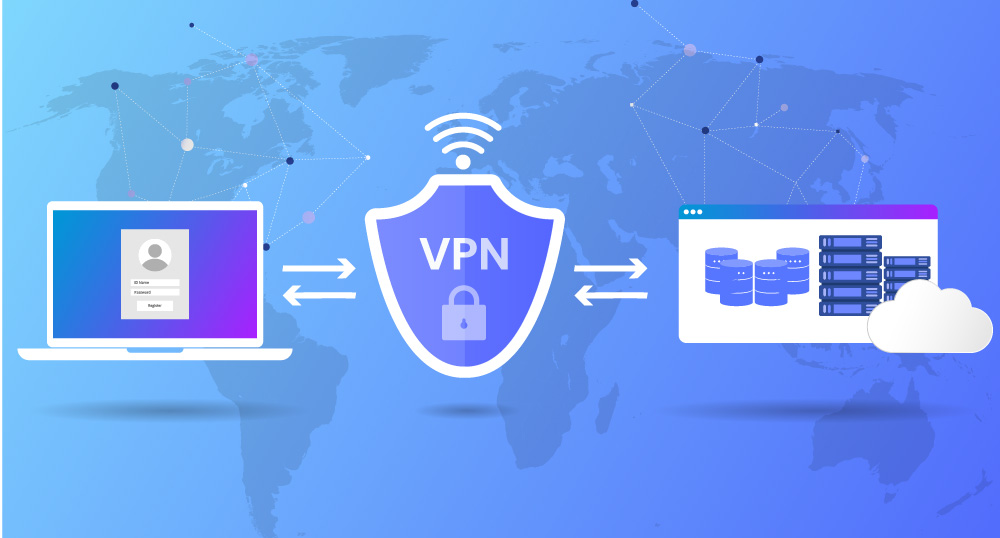
A VPN encrypts traffic between your device and the VPN server, but it does not automatically make you anonymous: the provider can still see connection metadata depending on logging practices, and the service’s jurisdiction matters.
Prefer providers with clear no-logs positioning, leak protections (DNS/IPv6/WebRTC), and kill switch—these reduce accidental exposure of your real IP and DNS.
Avoid unknown “free VPNs” for sensitive communications because trust and transparency are the core security model; free products often monetize in ways users don’t expect.
Troubleshooting WhatsApp with VPN
- WhatsApp connects but calls fail: switch to a server closer to you; try WireGuard; ensure UDP is not blocked; enable obfuscation if available.
- WhatsApp won’t connect on VPN: clear WhatsApp cache (Android), reconnect VPN, try another server/protocol, and verify the IP actually changed.
- Frequent number re-verification: stop hopping servers, consider a more stable endpoint (or dedicated/static IP where available).
Secure Browsing You Can Count On
Discover our top certifications and security standards that guarantee your online safety and privacy.

Certified No-Logs Policy
We strictly do not keep any user activity logs, ensuring your browsing remains private and anonymous.

AES-256 Encryption Standard
Our VPN uses military-grade AES-256 encryption to protect your data from unauthorized access.

Independent Security Audits
Regular third-party audits confirm our commitment to maintaining top-tier security and reliability.